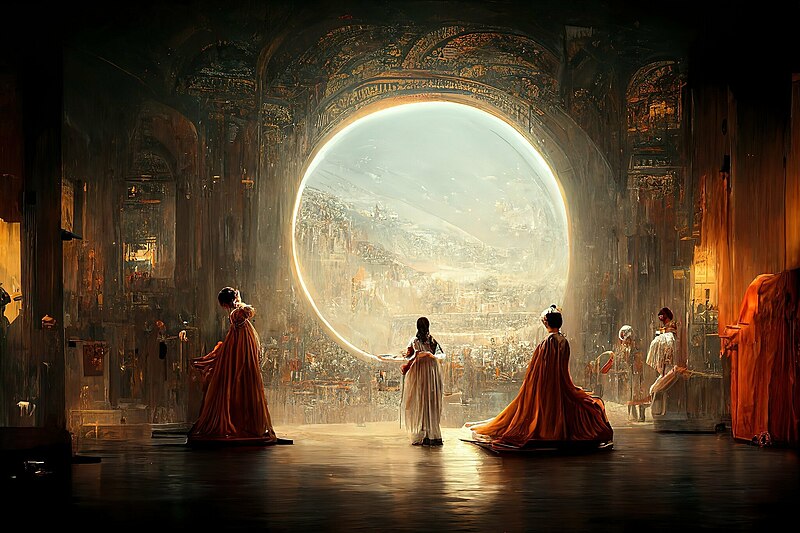
The debate around AI-generated imagery is not really about whether the tools exist. It is about authorship, labor, craft, and the changing definition of image-making. This article used the case of 'Théâtre D'opéra Spatial' to frame that broader argument.
The piece revisited how the image gained visibility and why it triggered such a forceful reaction. The controversy was not only about competition rules. It exposed a deeper cultural discomfort with work that sits somewhere between prompt, edit, selection, and machine generation.
Rather than defaulting to a pro- or anti-AI stance, the article invited readers to think in terms of process and responsibility. What part of the final image belongs to intention? What part belongs to software? And how should institutions describe that distinction honestly?
For a photography audience, the value of the article was in treating AI not as a passing novelty but as a structural shift in visual culture. That makes the question larger than one contest or one artwork.
Why This Image Became a Flashpoint
The case of 'Theatre D'opera Spatial' mattered because it condensed a diffuse anxiety into one highly visible object. Suddenly a broad, unstable argument about prompt-based image generation became concrete enough for institutions, artists, photographers, and general audiences to fight over in public.
What made the debate intense was not only the image itself. It was the symbolic role the image came to occupy. It stood in for concerns about legitimacy, labor, skill, disclosure, and the fear that image culture was moving faster than its ethical vocabulary.
Authorship, Labor, and Disclosure
The article did not treat the issue as a simplistic split between real art and fake art. That binary is too weak to describe what is actually happening. The more serious questions concern authorship, intentionality, and the degree to which software systems are hidden, foregrounded, or strategically minimized when work circulates publicly.
For photography readers, this matters because the medium has always negotiated tools, automation, and mediation. AI escalates that history rather than replacing it. The task is to describe the process honestly: what was prompted, what was selected, what was altered, and what kind of artistic or editorial claim is being made.
Why the Debate Reaches Beyond One Contest
The real significance of the controversy was structural. It showed that cultural institutions can no longer avoid setting terms for how machine-assisted images are categorized, judged, and contextualized. The problem is not temporary, and the vocabulary cannot stay vague forever.
That is why this reconstructed article keeps the emphasis on visual culture rather than internet outrage alone. For a site about cameras and image-making, the larger issue is how photographic literacy changes when viewers can no longer assume a stable relation between scene, apparatus, and result.