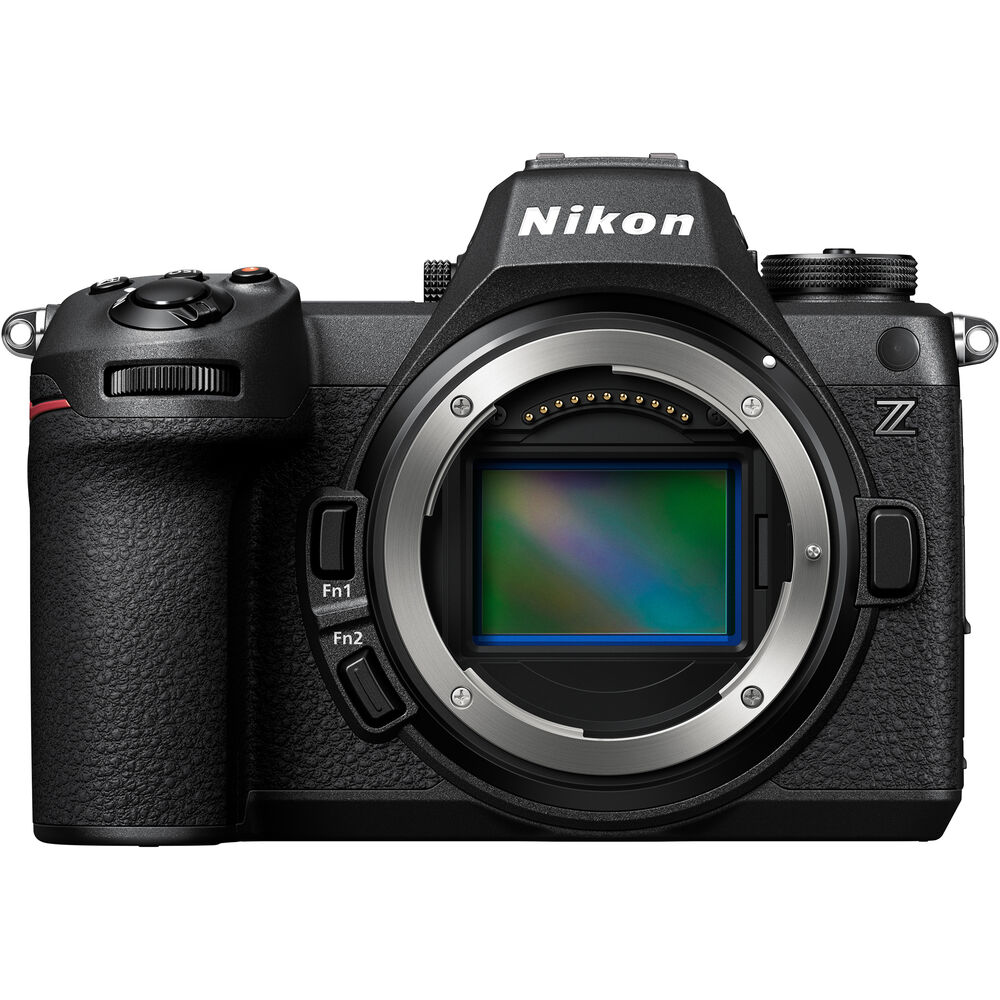
The Nikon Z6 III sat in the sweet spot where serious stills, serious video, and realistic budgets overlap. The original feature presented it as one of the clearest examples of a camera designed for photographers who need range rather than specialization.
Much of the attention went to the sensor design and the practical impact of speed. Faster readout, improved burst performance, and more dependable autofocus made the Z6 III feel less like a conservative update and more like a camera that meaningfully improved the shooting experience.
The piece also focused on balance. Instead of chasing the extremes of flagship bodies, the Z6 III was presented as a tool that gives working photographers and advanced enthusiasts enough of everything: responsiveness, dynamic range, ergonomics, and hybrid usability.
That is why the article positioned it as a defining mirrorless model for the year. Not because it dominated every category, but because it made fewer compromises than most cameras aimed at its segment.
Why the Z6 III Landed So Well
The Nikon Z6 III stood out because it solved a familiar problem in the camera market: many bodies are excellent in one direction and compromised in another. Nikon's strength here was balance. The camera felt designed for photographers and hybrid creators who needed one dependable body without stepping into flagship pricing or flagship size.
That made the Z6 III easier to recommend than many more specialized releases. It did not need to be the absolute best at every single metric if it could be fast, stable, comfortable, and consistent across stills, video, events, documentary work, and personal projects.
Sensor Speed, Autofocus, and Hybrid Use
A large part of the enthusiasm around the camera came from the practical effects of its sensor behavior. Faster readout changes how a camera feels in motion, how confidently it tracks, and how quickly it recovers between bursts or transitions in mixed assignments.
Combined with more mature autofocus and solid video credibility, the Z6 III fit the needs of users who no longer think in neat categories. They may shoot portraits in the morning, short-form video in the afternoon, and low-light documentary work at night. A modern camera in this tier has to move cleanly between those needs.
A Camera Defined by Fewer Bad Compromises
The strongest point made in this feature was not that the Z6 III won every comparison table. It was that it offered fewer painful compromises than many competitors in the same range. Ergonomics, performance, lens support, and image quality all reached a level where the camera felt ready for serious use without a constant list of asterisks.
That is often what defines an important mid-to-upper-tier body. Not abstract superiority, but the ability to disappear into practice. The Z6 III was compelling because it looked like a camera people could actually live with for years.